
My Analysis and Critique of Whiskey
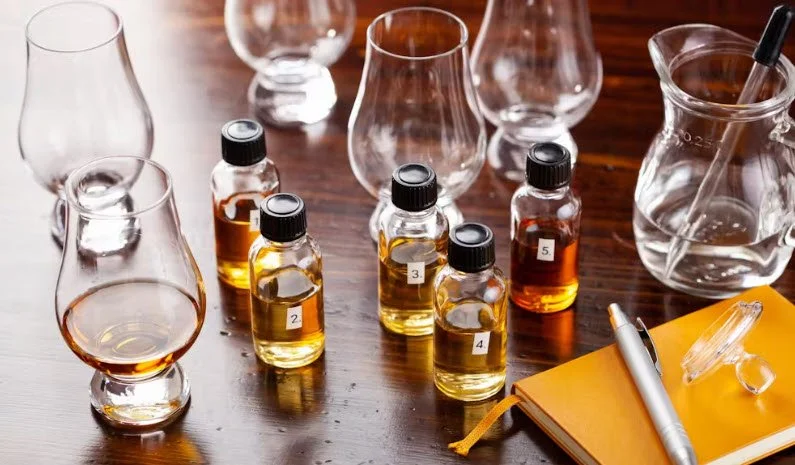
My approach to whiskey evaluation is anchored in a positive anticipation for each tasting experience, withholding judgment until the spirit itself provides evidence to the contrary. The whiskey domain is expansive, fascinating, and replete with complex flavors that deserve a comprehensive and impartial assessment. While individual tastes naturally vary, no single preference is superior; each holds intrinsic value. Although I keep an appreciation for all whiskey varieties, I possess a particular fondness for bourbon and rye. My reviews will reflect honest, expertly informed opinions; however, perspectives may vary, and that diversity of opinion is both expected and welcomed.
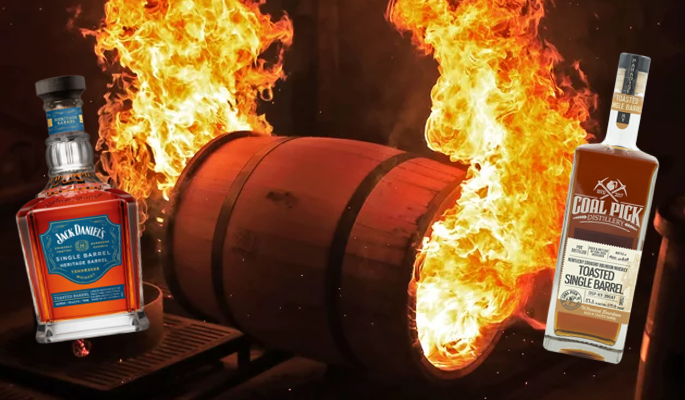
Toasted Barrel Bourbon: What It Is and How It’s Made.
I am continually seeking bourbons with distinctive, layered flavor profiles that stand apart from the crowded selection on today's shelves. However, finding those exceptional bottles can be challenging without a solid understanding of the techniques distillers use to influence whiskey during barrel aging and finishing.
Toasted Barrel Bourbon offers a compelling approach, delivering the pronounced flavors of toasted and charred wood that many bourbon enthusiasts value. In this article, I'll examine what Toasted Barrel Bourbon is, how it is produced, and what distinguishes it from traditionally aged Bourbon.
Many bourbon drinkers are drawn to toasted-barrel-finished whiskeys because secondary maturation in a newly toasted barrel can intensify the whiskey's natural sweetness and depth, often accentuating notes of vanilla, caramel, baking spices, and oak. As interest in these richer, more developed flavor profiles has grown, toasted-barrel finishing has become increasingly common among distillers seeking to add complexity to their whiskey.